
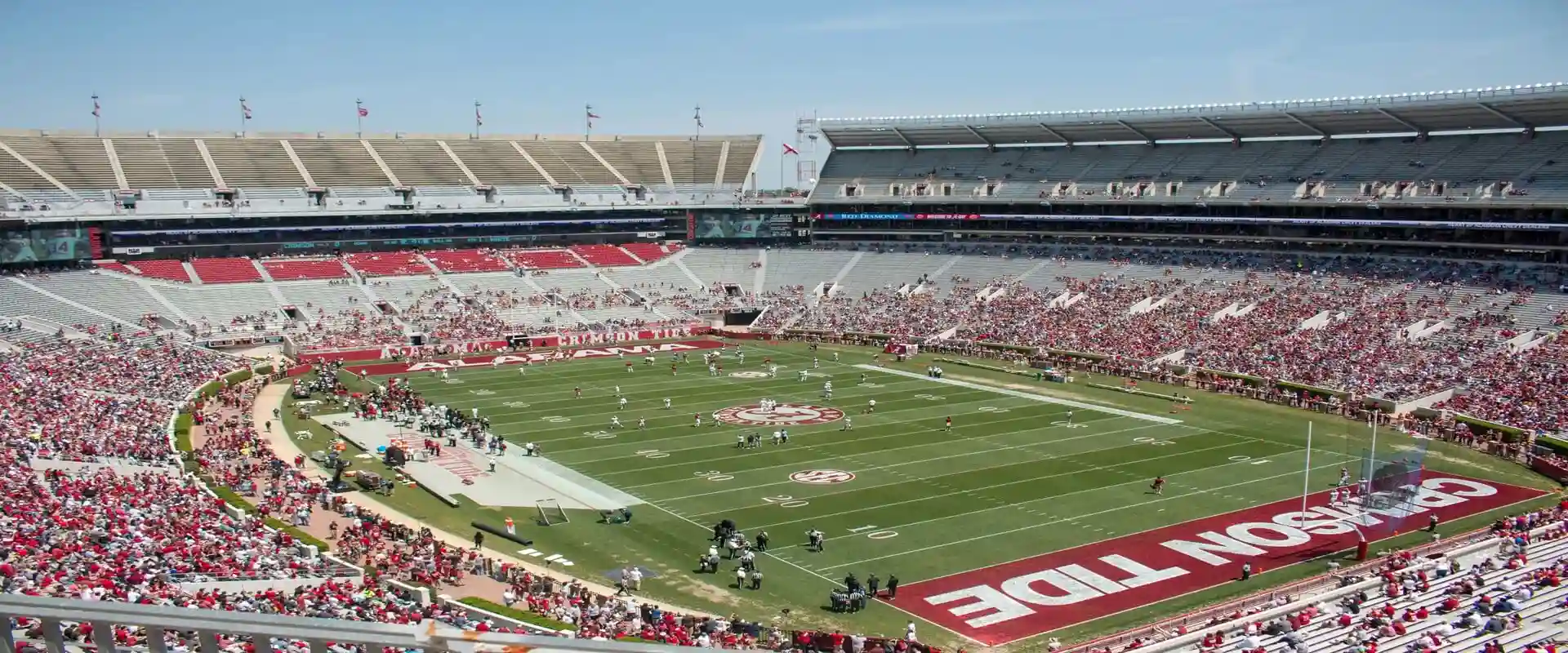
Where to Stream European Athletics Championships Live Online
Show all 19 optionsCompare monthly streaming apps, league passes, and live TV plans that carry live European Athletics Championships games in your country.










TV Channels Showing European Athletics Championships
Local broadcast stations, cable channels, and national TV networks showing live games.
















Live European Athletics Championships Game Schedule & TV Channels
Upcoming European Athletics Championships games, start times, and the TV channels and streaming apps carrying each game.
Search & Filters
No Upcoming European Athletics Championships Fixtures Currently Scheduled
There are no live or upcoming European Athletics Championships matches scheduled in the next 21 days. Check the official broadcasters and streaming passes above or the global country directory below to see where the competition airs when the next round kicks off.
Where to Watch by Country
See which streaming apps and TV channels carry live European Athletics Championships games in the US, UK, Canada, Australia, Europe, and worldwide.
Americas Coverage

Europe Coverage
JO
Asia Coverage
Middle East Coverage
Oceania Coverage
Africa Coverage
How to Watch & Live Stream European Athletics Championships Online & on TV
Unlike most sports, you do not need a paid subscription to watch the European Athletics Championships: under a long-term deal running through 2031 between European Athletics and the European Broadcasting Union (EBU), the entire event is broadcast free-to-air (€0 / £0 / $0) across Europe and worldwide. In Europe, national public broadcasters-including BBC One, BBC Two, and BBC iPlayer in the UK, ARD and ZDF in Germany, France Télévisions (France 2, France 3, France.tv) in France, Rai 2, Rai Sport, and RaiPlay in Italy, La 1, Teledeporte, and RTVE Play in Spain, NOS / NPO 1 in the Netherlands, NRK in Norway, and TVP Sport in Poland-air the main morning and evening sessions for free. However, because television channels constantly cut back and forth between the running track and jumping/throwing pits, the best tip for track and field fans is to use the free Eurovision Sport app or website: Eurovision Sport provides dedicated individual camera feeds for every single high jump, pole vault, long jump, and throwing event from start to finish, and also streams the entire championship for free in the United States, Canada, Australia, and New Zealand.
The European Athletics Championships is Europe's main outdoor track and field championship, held once every two years over six to seven days. Following the 27th edition at Alexander Stadium in Birmingham, United Kingdom (August 2026), the 28th edition takes place from June 3 to June 8, 2028 at the Silesian Stadium (Stadion Śląski) in Chorzów, Poland.
Events & Top Athletes
The championship features 50 medal events split evenly between men and women (24 men's events, 24 women's events, and 2 mixed events), including the 100m, 200m, and 400m sprints, hurdles, 800m, 1500m, 5000m, and 10,000m distance races, relays, race walks, high jump, pole vault, long jump, triple jump, shot put, discus, hammer, javelin, decathlon, and heptathlon. The meet regularly features Europe's biggest Olympic and world record holders, including Sweden's Armand "Mondo" Duplantis (pole vault), Norway's Jakob Ingebrigtsen (1500m and 5000m) and Karsten Warholm (400m hurdles), the Netherlands' Femke Bol (400m hurdles and relays), Greece's Miltiadis Tentoglou (long jump), Ukraine's Yaroslava Mahuchikh (high jump), and Great Britain's Keely Hodgkinson (800m).
How the Format & Daily Sessions Work
Each day of the championship is split into a morning session (mostly qualifying heats, jumping and throwing qualification pools, and multi-event rounds) and an evening session (semifinals and medal finals). In track races from 100m to 800m, athletes advance through three rounds-Round 1 heats, semifinals, and an 8-athlete Final-though the highest-ranked European athletes on the season top lists often receive a direct bye into the semifinals for the sprints and hurdles. In jumping and throwing events, athletes get three attempts in the morning qualification round to either hit the automatic qualifying mark or finish in the top 12 to advance to the evening final. In the final, all 12 athletes take three attempts, and only the top 8 get three final attempts to decide the medals.